There is a saying in the world of cat raising: Ninety-nine of the 100 shovelers who have raised cats have been scratched by cats, and 80 of them were unfortunately injured while blowing the cat with a hair dryer. Today, I will tell you why cats are afraid of hair dryers, and how should shovelers use hair dryers?
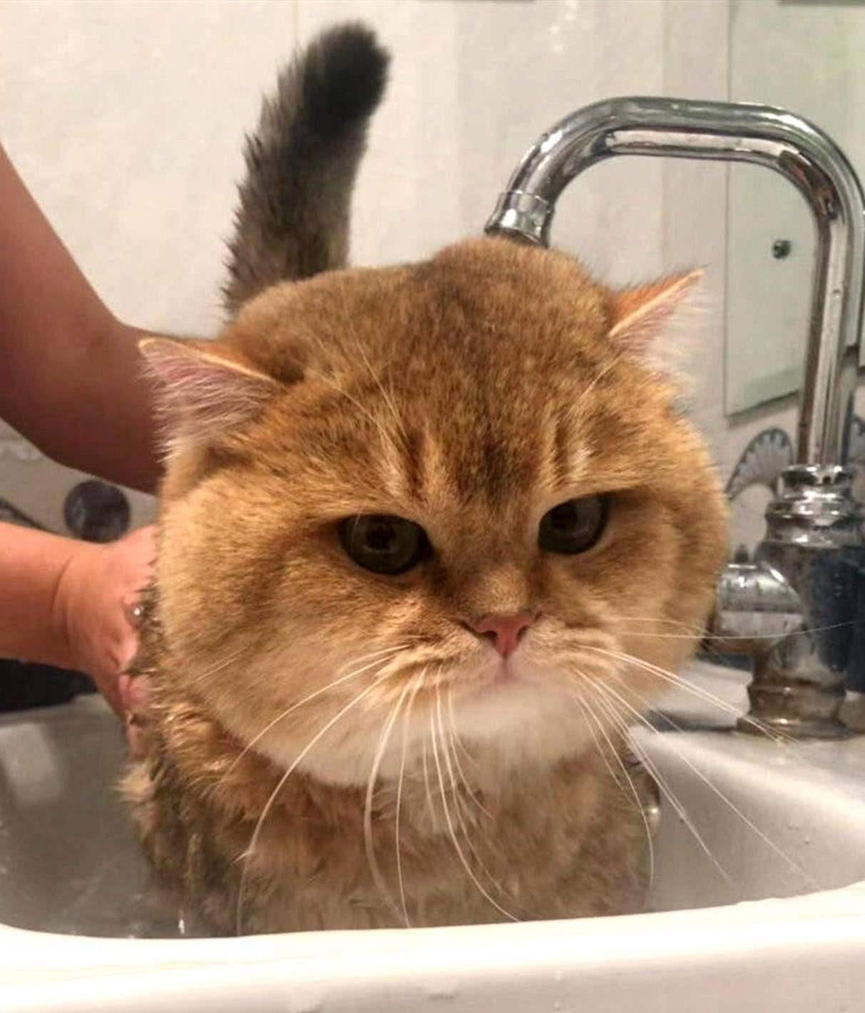
Why are cats afraid of hair dryers?
Cats have a hearing range (in Hz) of 45-64,000, compared to 64-23,000 in humans. This means that cats can hear sounds that we can’t hear on both ends of the spectrum, especially in the high-frequency region. Not only do cats have a stronger hearing range than humans, but they are also more sensitive to sound intensity, so cats don’t like people or objects that make sharp sounds, such as thunder and children crying. The sound of home appliances running is also noise for them, not to mention vacuum cleaners, hair dryers and other electrical appliances that make loud noises when working, we humans can just tolerate it, but our ears are full of such noise and we can’t hear other sounds, using such objects to approach timid, sensitive cats, have a huge impact on the cat’s hearing, the cat is surrounded by loud noise, like thunder, can’t hear other sounds, and feel even more afraid.
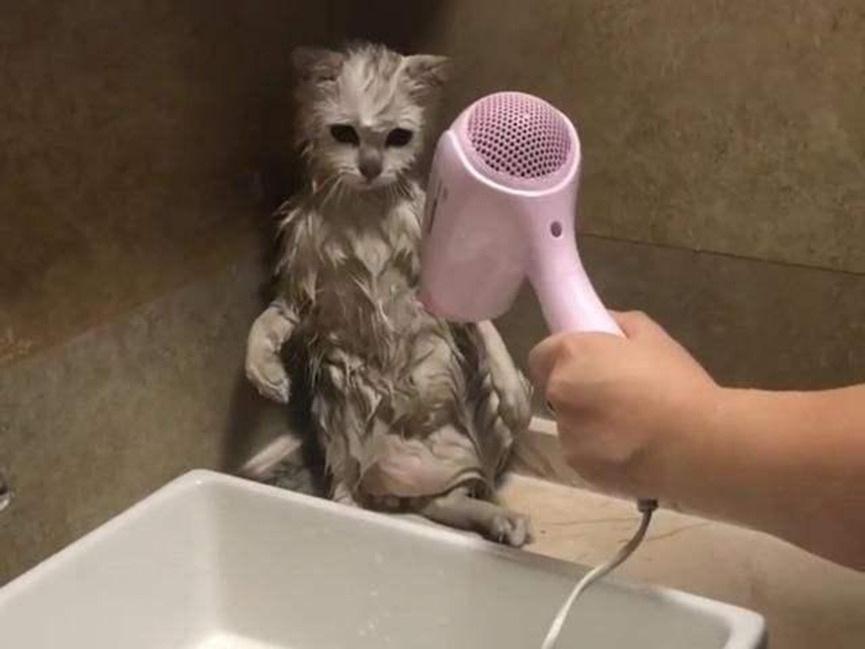
So how to use a hair dryer so as not to scare the cat?
Now that we know that cats are afraid of the sound of the hair dryer, we can start by reducing the sound of the hair dryer.
After bathing, we can use a large towel with better water absorption to gently absorb the water on the cat’s fur, and the longer the longer the wipe, the better, because the water on the cat’s hair has been almost absorbed by the big towel, so that the use time of the hair dryer can be shortened.
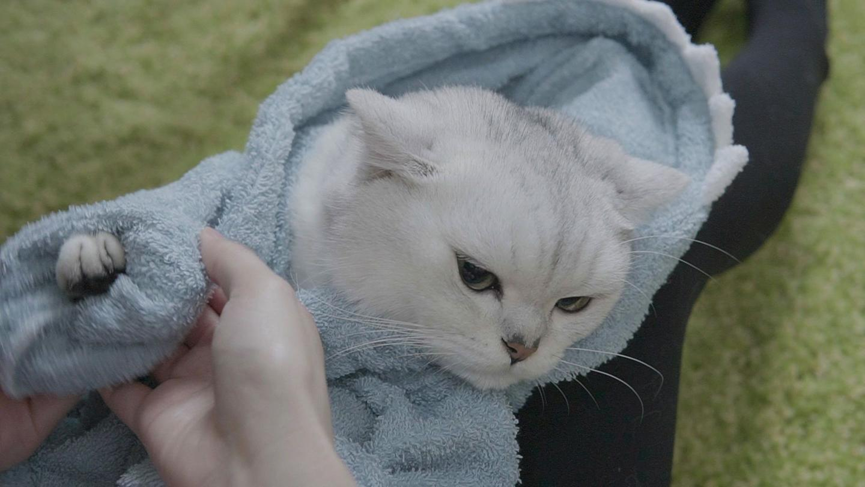
1. The cat version of covering the ears and stealing the bell
I believe everyone has heard the story of covering the ears and stealing the bell, and we can use it on cats to cover the cat’s ears. After covering his ears, the cat’s performance was really calm, as if there was no hair dryer.
It takes one more hand to cover the cat’s ears all the time, which looks very troublesome. What if you are alone?
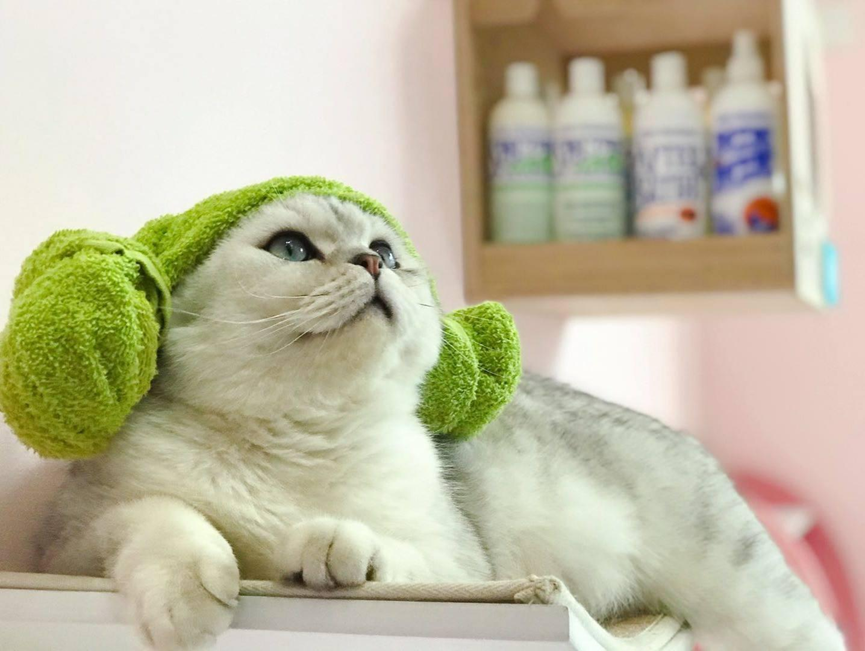
There are also two magic weapons: a towel and a cotton ball. If you are alone, you can wrap your cat’s ears in a towel or stuff a cotton ball into your cat’s ear (be careful not to stuff too much).
These two items can also dampen the sound of the hair dryer that your cat hears, making the drying process smoother.
2. Choose a hair dryer with low noise
In addition to getting the cat used to the hair dryer, we can also make the hair dryer work with the cat. There are some hair dryers on the market that will be less noisy, and cat owners can buy them by themselves. More careful shoveling officers can also buy pet hair dryers for cats. In addition, in order to prevent the cats from having psychological shadows and becoming more and more afraid of the vicious circle caused by bathing, the shoveling officers should also remember to give dried fish rewards after bathing, touch their heads, and play with the cats for a while.
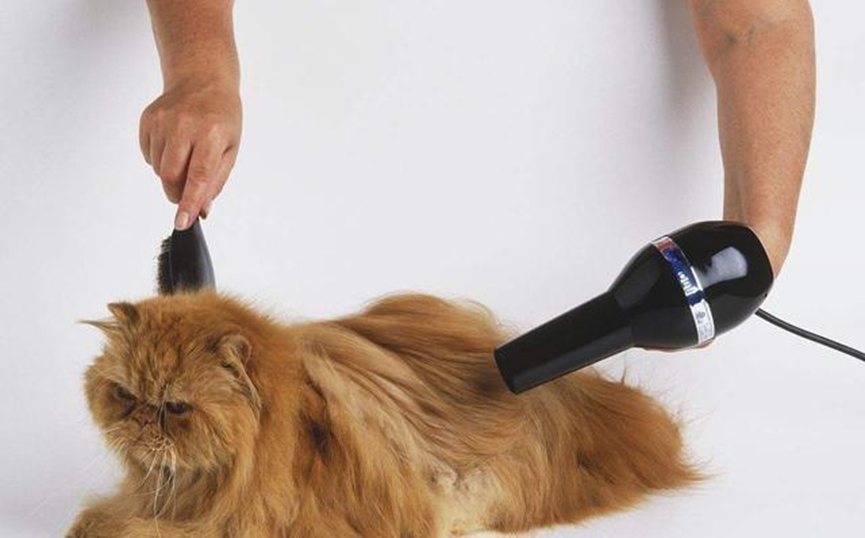
3. Professional pet drying box
In order to solve the problem of drying pets after washing, the “pet drying box” came into being. There are many temperature control devices for this kind of machine on the market now, but this device is very important, so the price will definitely be more expensive. So there will be a lot of cheap fakes, so don’t buy some fakes just to be greedy. Spend more money and buy a brand with a good reputation and good reputation, so as not to cause irreparable tragedy due to excessive heat, but you must pay attention to your cat’s reaction throughout the whole process, and open the box door from time to time to comb the fur, or soothe the cat owner.
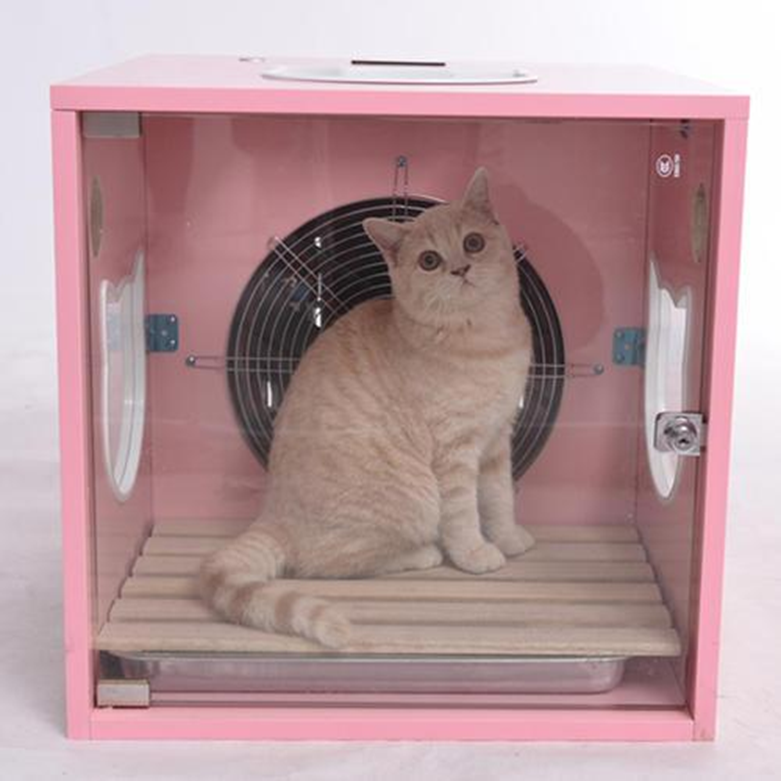
Because of the short respiratory tract of short-nosed cats, the moisture requirements in the air will be much higher than those of other animals, and the strong wind force of the pet drying box will drain the water in the box, causing short-nosed cats to have difficulty breathing. Therefore, it is recommended that owners with short-nosed cats try not to use pet dryers.