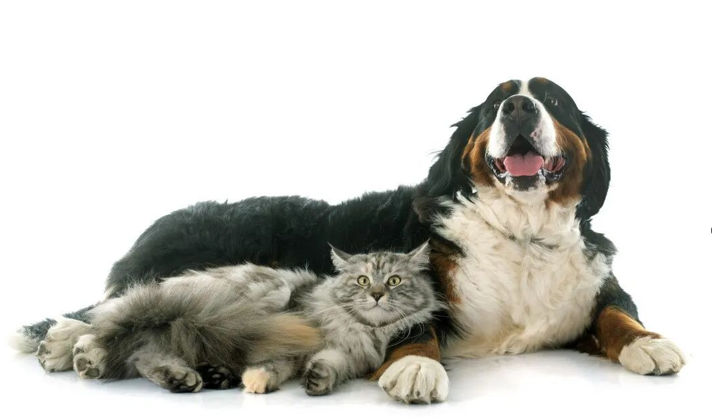
Guide to feeding young pets
Pets need different nutrients at different ages
Especially the diet of pets in childhood should be paid more attention
So how should pets of different ages be fed?
Let’s take a look!
01
1-3 months of age
Pets under 1 month old use breast milk as the staple food, and pets under 1-2 months old are in the transition period of weaning, at this time the pet is in the stage of rapid growth, need a lot of calories and nutrients to help grow, daily use goat milk powder to soak soft pet food to feed, supplemented with egg yolk and nutritional paste to supplement calcium and other nutrients.
However, it should be noted that young pets have a small stomach capacity, so they should eat small meals to control their food intake, do not overfeed, and do not add too many nutrients and other foods casually.

02
4-6 months of age
Pets around 4 months old will start to change their teeth and coats, and they need more nutrients, so they can gradually transition to solid foods such as dry food, and add some cooked vegetables and meat to the main food to avoid the formation of double rows of teeth.
At this time, the pet’s diet is still dominated by young pet food, cooked egg yolk, chicken, fish as additional meals, feed some nutritional products in moderation, and continue to maintain the habit of eating less and more meals, feeding 3-4 times a day, in addition, you can also let the young pet eat some teething snacks.

03
6-8 months old
At this time, the pet’s skeletal muscles begin to develop rapidly, and they are in a critical period of growing skeleton and long muscles, and they need to increase their calcium and protein intake, so they can increase the proportion of meat in the diet, in addition to the main food, beef, chicken, fish and other meats as additional meals, and add calcium powder and other nutrients in moderation.
And at this time, the pet’s molting has not stopped, it is recommended to feed some fish oil and lecithin to promote the healthy development of the pet’s hair and make the hair smoother and denser.

04
8-12 months of age
At this time, the pet’s body gradually develops and matures, the growth rate slows down, feed 2-3 times a day, and the diet can also begin to transition to adult pet food, and adjust the intake of nutrients such as protein to avoid overnutrition and obesity caused by excessive intake.

05
1-8 years old
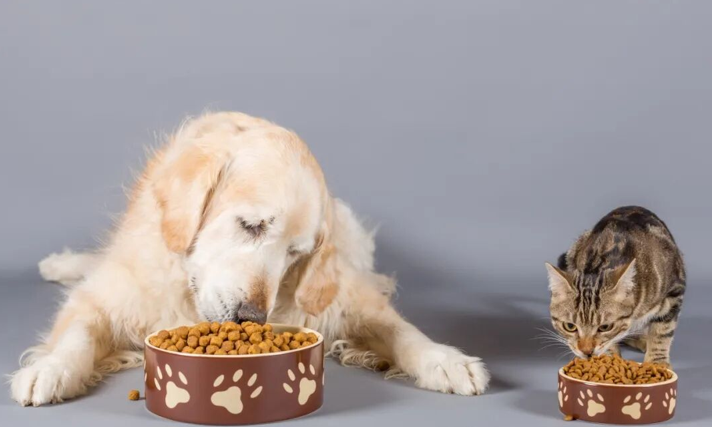
Pets over 1 year old have entered a period of stable development, their bodies are sound, and their metabolism slows down, so they usually maintain regular and quantitative feeding to ensure a balanced intake of nutrients, and change food from time to time to avoid a single diet.
Pets can adjust their diet according to their physical condition when they become adults, such as pets with more exercise that need to supplement more calories, thinner pets can supplement more fat and protein after confirming that there are no parasites, and if pets are fat, they need to control their calorie fat intake.
06
Over 8 years old
Pets after the age of 8 begin to enter old age, organ function declines, gastrointestinal digestion weakens, teeth are loose, and various geriatric diseases may occur, such as diabetes, arthritis, etc.
Therefore, the diet of elderly pets should be light and light, easy to chew, easy to digest, you can choose elderly pet food or prescription food according to the pet’s physical condition, usually provide easy-to-chew and digestible meat and fruits and vegetables, pay attention to supplementing calcium and vitamins, and can also properly supplement Omega-3 fatty acids.