In Libo County, Qiannan Buyi and Miao Autonomous Prefecture, Guizhou, China, there is a typical karst peak cluster funnel and peak cluster depression landform, which has become a national nature reserve, protecting karst forests and various rare animals and plants.
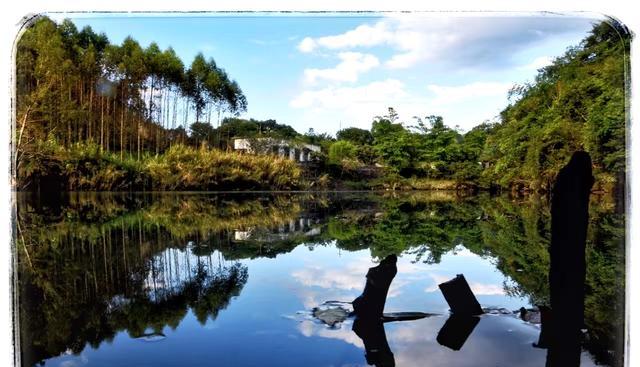
The karst landform in Maolan Nature Reserve is very remarkable, and the formation of karst landform is absolutely inseparable from water and rocks. Its main cause is that the water with dissolving power dissolves soluble rocks to form rocky landform, which will also combine with some forces such as collapse or erosion to finally form karst caves.
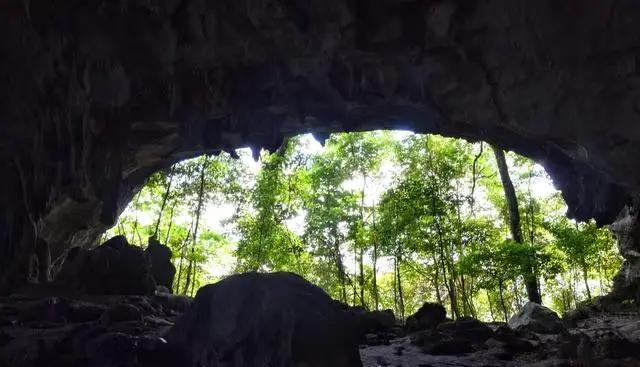
Therefore, karst caves are one of the main features of karst landforms. In these karst caves, there will be many stone pillars or stalagmites formed by erosion, either erected from the ground or hanging upside down from the top. Because they have been eroded by water for a long time, the surface is very smooth, and some rock elements will form stones of different colors. It is wonderful to walk in with lamps and look at stones of different colors. When the water flows downward, it will also form a sinking hole, just like the water curtain hole growing in a cave.
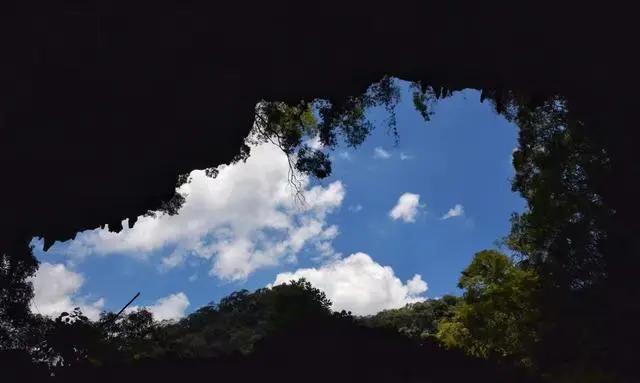
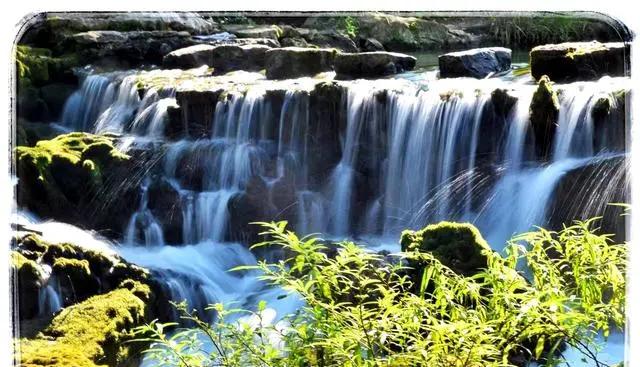
The karst landform of Maolan Nature Reserve was also formed in this way. In this forest, there are large waterfalls with a width of 20 meters and a height of 70 meters, as well as many small waterfalls.
There is also the famous Golden Lion Cave, in which there is knee-length water flow. Under the erosion of this water flow, all kinds of stone pillars, stalagmites, stalactites, etc. formed in the cave are unique in shape and eye-catching. Most importantly, there is also the largest stalagmite inside, which looks like a lion, and is also the origin of the name of this cave.
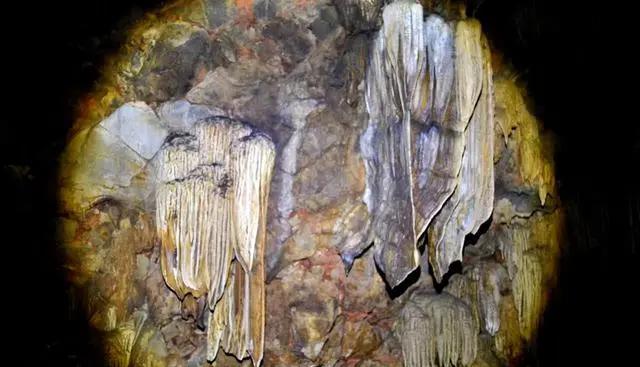
The typical stones formed in the cave will be named, which is also the magical creation of nature. After a long period of shaping, many stones will be similar to the animals or living objects we see. It is also a very interesting thing in the process of viewing the cave to recognize the stones with their own shapes.
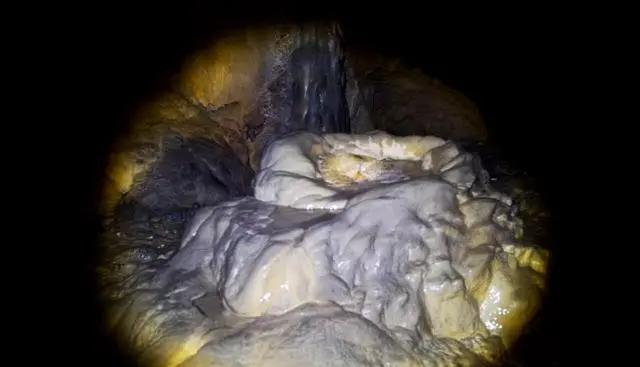
There are many surprising scenic spots in Maolan Nature Reserve, such as Funnel Forest, Magical Hollow Valley, Qinglong Stream, Water Forest, Jiudongtian and so on.
As a protected area, Maolan naturally has the rarest protected objects, with about 200 kinds of first-class protected plants and more than 200 kinds of second-class protected plants, such as Taxus chinensis, unisexual magnolia, palm leaf and so on. As for animals, they are even more well known, such as South China tigers, leopards, pythons, white-necked long-tailed pheasants, forest musk deer, macaques, pangolins, black bears, etc., which are under national first-class protection of wild animals, and many insect species.
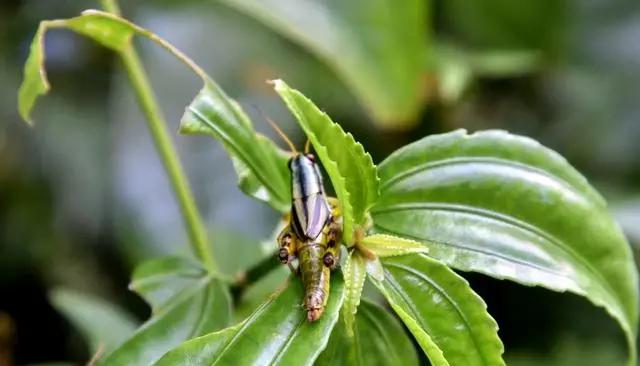
It is precisely because of these that Maolan was selected by Bell as the exploration site in the program “Adventure with Bell”. We also joined in the fun. We started the jungle hiking early in the morning, passed by the virgin forest and drilled into the karst cave. The biggest feeling is just one word-wild!
What is a beautiful scenery, what is a dangerous surprise? This mountain is connected to one mountain after another, and each mountain is a mysterious encounter. In addition, the rushing water, waterfalls and small lakes all add a lot of aura to this place, and then I understand why it is a good place to have mountains and water.
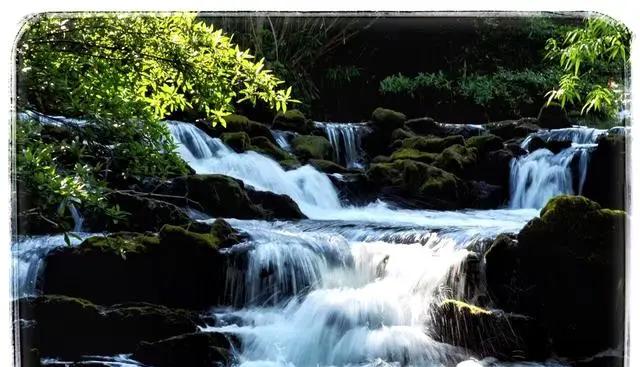
Everything in Maolan is well protected. Many places are really primitive and the degree of commercialization is still very low, so if you are people who love the outdoors and natural scenery, you should hurry up now. There are also farmhouses around Maolan Nature Reserve. Exploring from the virgin forest and going to the farmhouses to eat the most authentic farm food can be regarded as a perfect end to this wildest adventure.