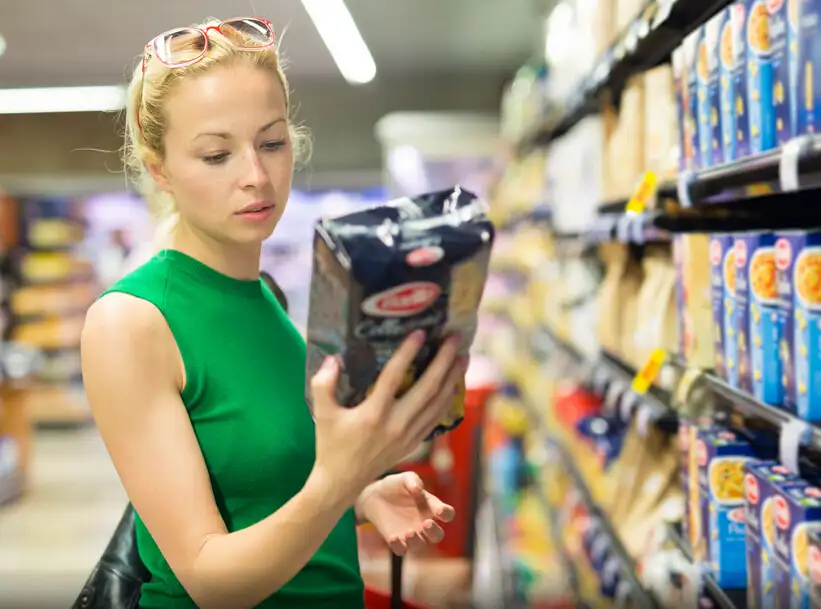
Processed foods are often considered the enemy of a healthy diet, and the main offenses are those that increase the risk of obesity, hypertension and type II diabetes. But processed foods include not only potato chips, spicy strips, instant burgers, but also whole grain bread, oatmeal, etc.
While some processed foods should be consumed with caution, a significant portion of processed foods can have a place in a healthy diet. So how to choose processed foods?

When buying processed foods, give preference to lightly processed foods. According to the degree of processing, it is roughly divided into:
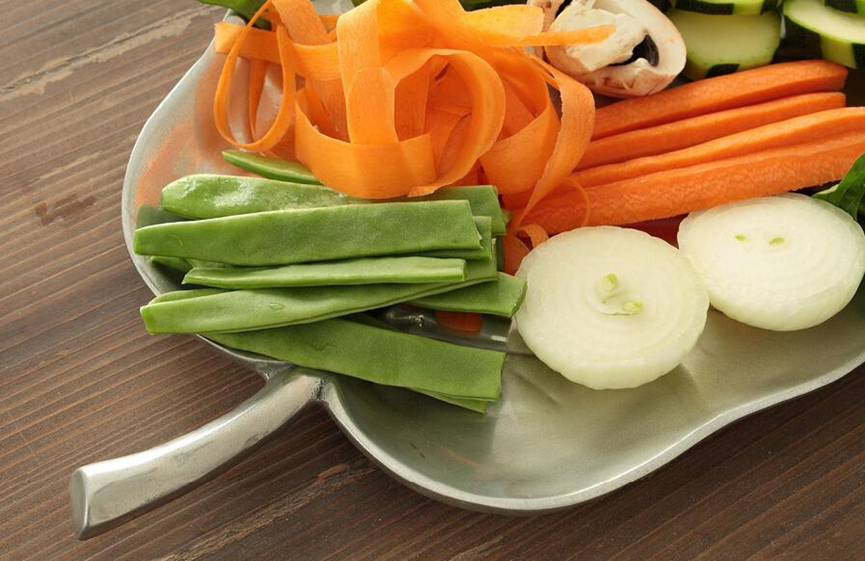
1. Micro-processed foods, such as bagged spinach, fresh-cut vegetables, and baked nuts, are pre-processed for easy consumption or cooking;
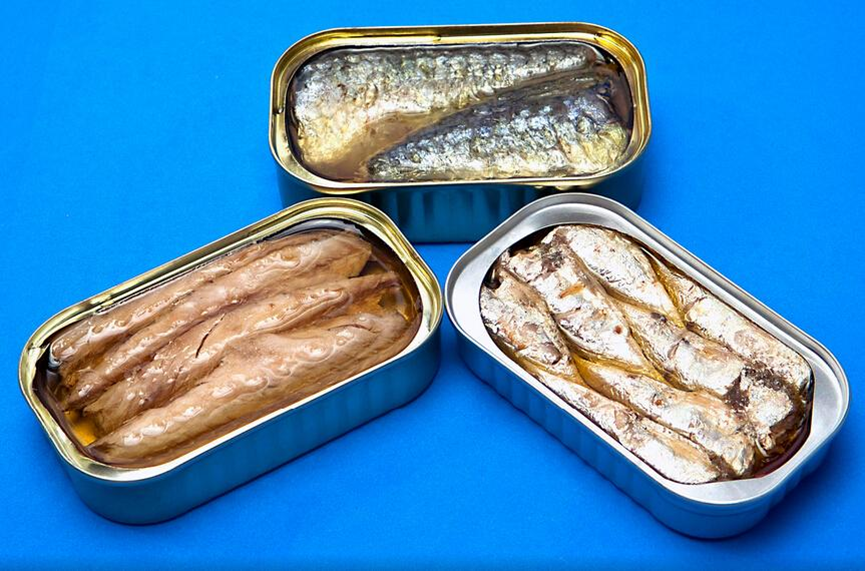
2. Canned food, in the heyday of processed food, in order to keep food fresh and nutritious to the greatest extent, a variety of canned foods appeared, such as canned beans, canned tomatoes, canned tuna, etc.;
3. Some food condiments, mainly to improve the flavor and texture of food, such as pasta sauce, cake mix, salad dressing, etc.;
4. Ready-to-eat foods, such as biscuits, cereals, and deli meats, which have been further processed;
5. The most processed foods are those frozen and pre-cooked foods, including frozen pizza and microwave boxed lunches, and try to avoid such foods when purchasing.

Advantages of processed foods
Your healthy diet can also benefit from processed foods, some milk fortifies calcium and vitamin D, and dietary fiber is added to your morning cereal.
When you have a hard time buying fresh fruit, canned fruit soaked in water or its own juice is a good choice. For people who are usually busy at work, those micro-processed foods, such as fresh-cut vegetables, can save more time and energy.
However, before buying processed food, you need to carefully read the food ingredient list and nutrition labels, processed food is complicated, but we need to learn to identify what is good and what is bad.
Avoid hidden sugars, sodium, and fats
There is nothing wrong with eating processed foods properly, but we need to have a keen eye to discover the hidden sugars, sodium, and fats in processed foods.
sugar
Some foods will have labels such as “organic” or “natural”, and many people think that this is healthy food, but this is not the case. It is possible that organic high fructose corn syrup and natural sucrose are added to this food, but both of these are added sugars, and we must be vigilant about such foods and not eat too much.
Added sugar is not only used in confectionery processing, but also in bread coloring, and is also added to sauces and cereals in surprising amounts. Learn to check the food ingredient list, and be wary of the first three products containing added sugar in the food ingredient list, which mainly include white sugar, maltose, brown sugar, corn syrup, honey, and fruit juice concentrate.
sodium
Most canned vegetables, soups, and sauces have added sodium, which is mainly used to enhance food taste and preservatives. Our modern diet is prone to excessive sodium intake, and sodium in processed foods accounts for a large part of our daily diet.
When shopping for processed foods, don’t skip the nutrition facts and choose products that are low in sodium, this simple action will reduce your daily sodium intake by 40%.
fat
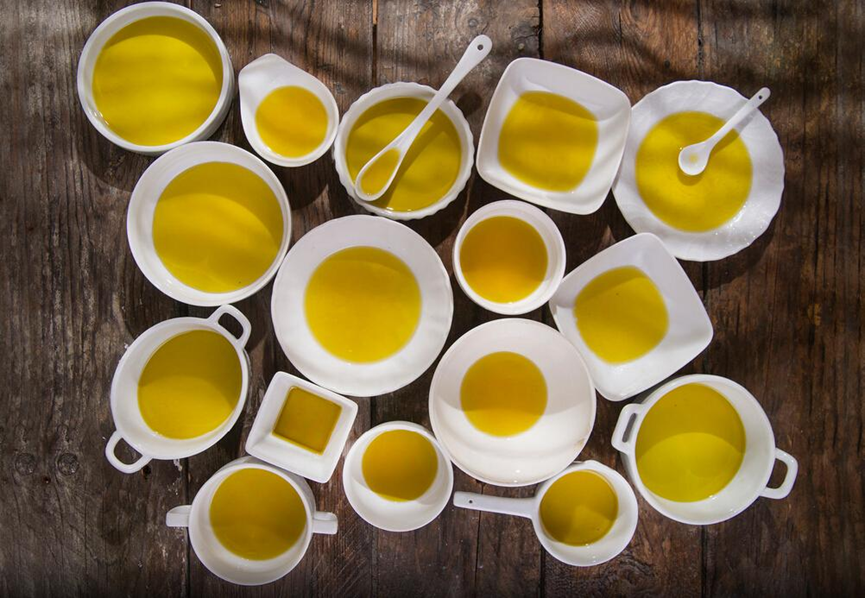
Adding fat to food will make the food flavor richer, make the food quality more stable, and extend the shelf life. Fats and oils are prone to the production of trans fats during food processing, which can increase the level of bad cholesterol in our blood.
If a food is labeled as zero trans fat, it does not mean that it does not contain trans fatty acids, but only that the trans fat content of the product is less than 0.5g per serving. However, many foods are labeled as very small per serving, and if you eat 3~4 servings a day, it is easy to consume excess trans fats.
If there are foods with hydrogenated vegetable oil, margarine, shortening, vegetable cream and other ingredients in the food ingredient list, they are prone to trans fats during processing, so be vigilant when purchasing.
The following are FDA’s guidelines for food labeling claims
Low calorie: less than or equal to 40 kcal per serving;
Low cholesterol: less than or equal to 2 mg of cholesterol per serving of food/less than or equal to 2 g of saturated fatty acids per serving of food;
No calories: less than 5 kcal per serving;
Fat/sugar-free: Food fat/sugar content less than 0.5 grams per serving;
Low sodium: less than or equal to 140 mg of sodium per serving;
High-quality source of a nutrient: 10%~19% of the optimal daily intake of food-specific nutrients per serving;
High nutrient content: Each serving provides more than or equal to 20% of the optimal daily recommended intake of specific nutrients;
When buying food, you should understand the meaning of each label on the food packaging, know which ones are good and which ones need to be avoided, and healthy eating is in your own hands.