How to train a kitten
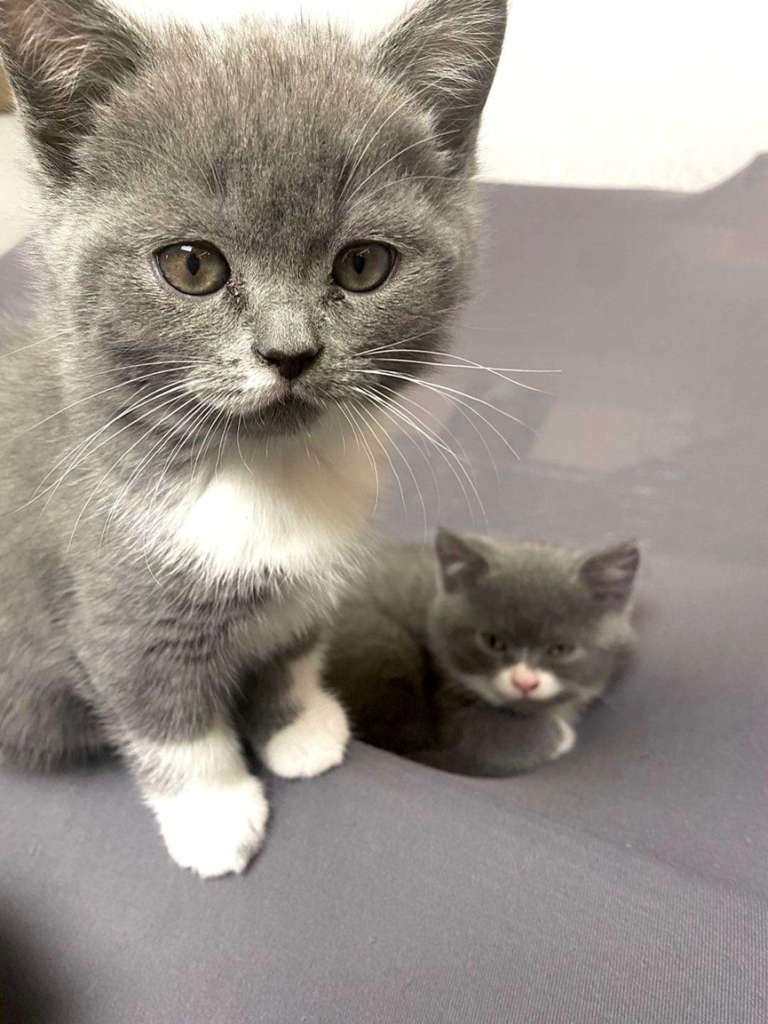
Cat training is very difficult, and we can train cats to do some simple actions in the early stage. For example: sit, follow, etc. Through the temptation of food, let the cat develop a conditioned reflex. Over time, the cat will understand the meaning of the action, but don’t let the cat do some difficult movements.
The training of cats should begin as kittens. Because kittens are the most active, curious, and interested in anything new, they are the most suitable and easy to train at this time. The best time to train a cat should be before feeding. Because cats are closer to people and more obedient when they are hungry, they can effectively use food stimulation to train cats.
There are many ways to train cats, such as: coercion, induction, reward, punishment, etc., and the training process must be patient and confident, step by step.
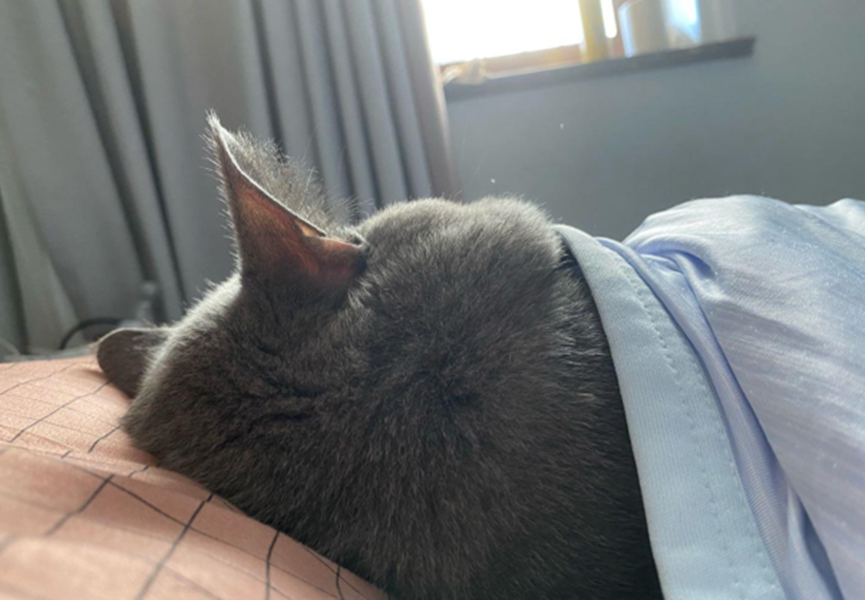
Coercion: Coercion is a means of forcing the hair to perform the action accurately and smoothly using mechanical stimuli and threatening passwords. When the cat is trained to lie down, the trainer uses his hand to carry the cat down with his hand while issuing the “lie down” command, forcing the cat to lie down.
Induction: Induction refers to a means of inducing cats to make movements with delicious food and the trainer’s movements. For example, while issuing the “come” password, the trainer takes a piece of the cat’s favorite food and shakes it in front of it, but does not give it to the cat, and constantly gives the “come” password while retreating. In this way, the cat will follow due to the temptation of food and quickly form a conditioned reflex. The method of induction is most suitable for kittens.
Reward: Reward refers to the means taken to reinforce the correct movement of the cat and consolidate the conditioned reflex that has been initially formed. Methods of reward include treats, caresses, and compliments. Rewards and coercion must be used together to be effective, starting with forcing the cat to make the correct action each time, followed by an immediate reward. As the training progresses, after completing some complex movements, rewards are made. In this way, the effectiveness of rewards can be fully utilized.
Punishment: Punishment is a means used to stop incorrect movements or abnormal behavior in cats, including reprimands, tapping on the neck area, etc. The degree of punishment should be determined according to the specific situation and the cat’s temperament, and the cat’s head should not be hit too hard and its tail should not be forcefully frightened. The use of punishment methods should be minimized in training so that the cat does not develop feelings of fear and boredom of training.
Cats are stubborn and have strong self-esteem, and do not want to be at the mercy of others, so the trainer’s attitude should be kind, and the whole training training process must be handled by a special person, and several people can not train the cat at the same time, so as not to distract the cat’s attention, the training should be carried out in a quiet environment, and should not make loud noises and sudden movements, so as not to scare the cat away or be unwilling to be trained.