Thirteen basic general knowledge of yoga
1. It is best to have an empty stomach before practice
Maintain an empty stomach for 2~3 hours to reduce the burden on the stomach and intestines. If you have just finished eating, it will cause the practitioner to have nausea, headache, chest tightness and other phenomena during the practice, and even vomiting in severe cases.
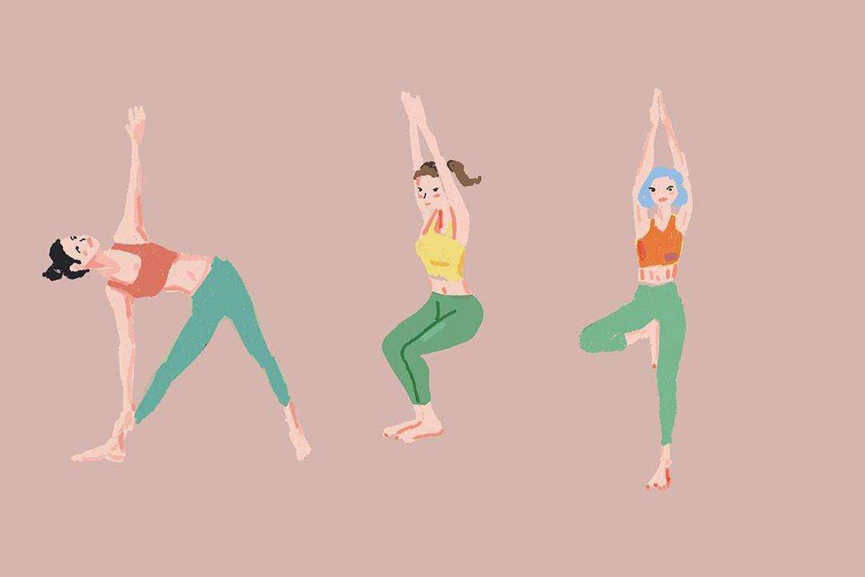
2. Empty your body before practicing
It is best to empty the debris from the body before practicing, so that you can cleanse your body and focus more on yoga practice.
3. Do not eat within 1 hour after practice
By practicing yoga, the stomach and intestines are in a state of relaxation and rest, and if you eat immediately, it will cause damage to the stomach and increase the burden.
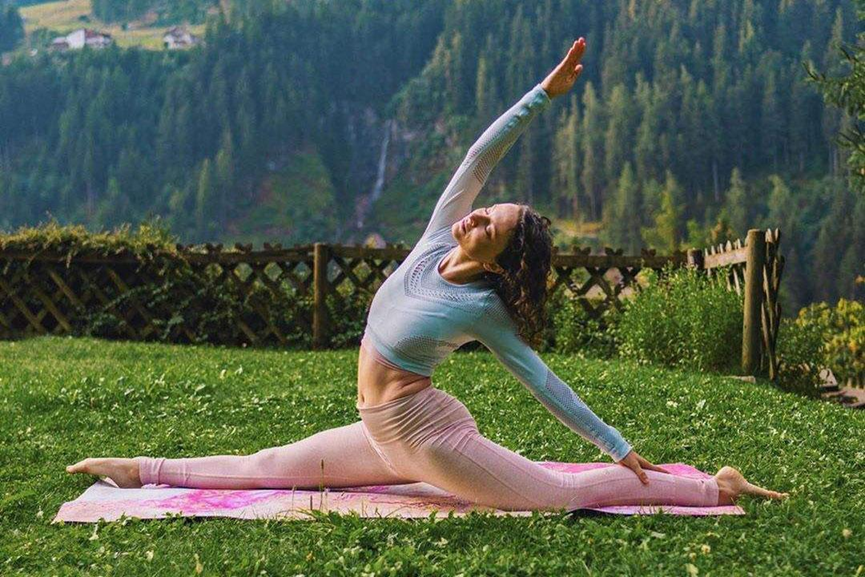
4. Do not take a bath immediately after practice
Practicing yoga will sweat and form a sebum film on the skin, which has a very good nourishing effect on the skin, and taking a bath immediately will destroy this layer of beneficial substances.
The exception is hot yoga, power yoga, or body yoga training, which causes the practitioner to sweat a lot, and the toxins excreted by sweat need to be expelled by bathing. Just after practice, wait for your breathing and heartbeat to return to normal before taking a bath.
5. Yoga should not be done within 30 minutes after bathing or sauna
Bathing in the sauna will speed up blood circulation, and yoga practice will also promote blood circulation, if done continuously, it will inevitably speed up the heart rate and increase the burden on the heart.
Ancient Indian yogis usually bathed in cold water before practicing, the purpose of which is to cleanse the body, slow down blood circulation in the body, and reduce the burden on the heart.

6. Do not wear tight clothes
Yoga can relax the body and mind, too tight clothes are not conducive to relaxation, and more importantly, yoga is different from physical training such as aerobics. When practicing, you should choose loose, sweat-absorbing, and breathable clothes, preferably pure cotton and linen fabrics, choose close-fitting clothes for the top to complete flips, handstands and other actions, and it is best to choose loose pants with a waist strap on the lower body.
7. Avoid wearing accessories
Such as belts, watches, necklaces, earrings, rings, etc., these ornaments affect the performance of movements and are easy to damage the skin of the body during practice.

8. The practice field should not be too hard or too soft
It is best to use a professional yoga mat, so that your knees do not hurt when kneeling. You know, it is not safe to use the mat used for aerobics in the gym to practice.
If the mat is too soft, it will not be able to support and protect when performing certain movements, and in severe cases, it will hurt the bones. On the contrary, if the mat is too hard, it will not provide due protection, and the skin will be injured in the stressed area, and the joints and bones will be injured in severe cases.
9. Barefoot should be practiced
Barefoot relaxes your feet, and your feet have better adhesion, feel more direct, and have a more stable posture. In addition, it can also play the role of hitting and massaging the acupuncture points of the feet.
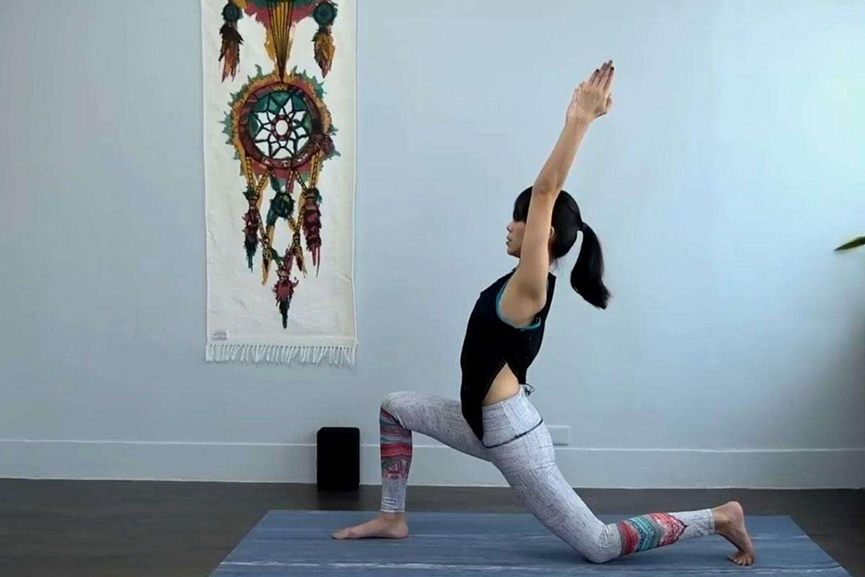
10. The movements should be slow during posture practice
Breathing is usually done through the nostrils during the exercise, unless there is a specifically stated pose. The breathing style is generally natural breathing, and some movements will use abdominal breathing to relieve pressure on the chest cavity.
Most of the primary asana exercises are stretching exercises that do not require breath-holding, just take a deep and slow breath, and the breath should be coordinated with the movement, especially when maintaining a movement.
11. The action shall be subject to one’s own maximum
Asana exercises should be done step by step, not in a hurry, and achieving one’s limits is the safest and most effective, and there is no need to be exactly the same as the teacher.
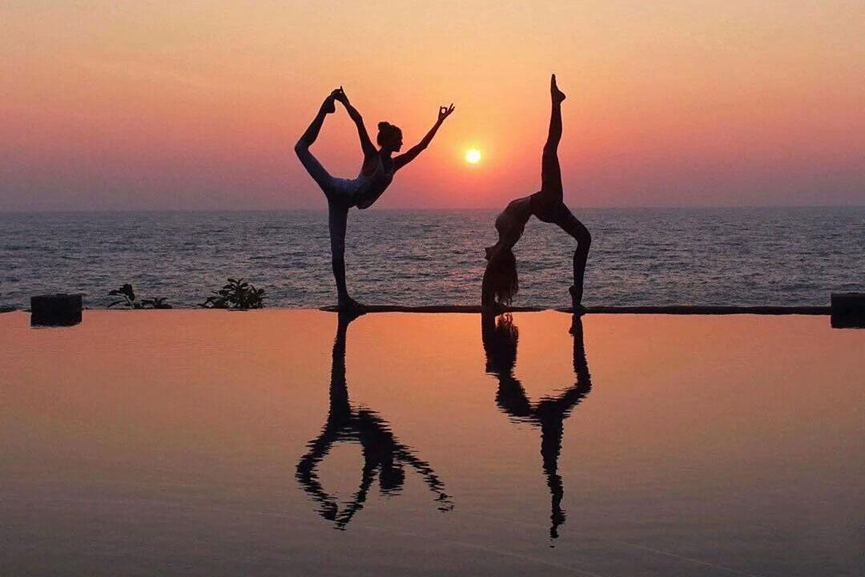
12. Ensure practice 3~4 times a week
Strict yoga practice requires daily consistency, but if you don’t have a lot of time, you can divide it into intervals of a day or two. It is important to develop the habit of practicing and to achieve results, it is necessary to ensure at least three times a week.
In fact, yoga asana training or pranayama training at home for 15~30 minutes a day can also yield satisfactory results.
13. Stop immediately if you are not comfortable with the practice
When practicing, you should be fully focused to get good results. If you feel unwell, you should stop training immediately to avoid hurting yourself, and if it is serious, you should seek medical attention immediately.