Keeping a caracal as a pet is not as simple as raising an ordinary kitten. First, the price of all exotic pets is often much higher than that of traditional four-legged pets. In 2019, Justin Bieber purchased two Savannah cats (a mix of domestic and serval), and it was not just the ethical issues of the decision that sparked controversy. The pop star reportedly paid $35,000 for the two cats, while prospective buyers, celebrity or not, can expect to pay anywhere from $1,500 to $20,000 for the exotic cat.
Raising a domestic cat requires daily expenses, veterinary expenses and accidents, which are not cheap. Cat lovers should expect that living with caracals or similar exotic wild breeds will be more expensive. An adult caracal can eat up to three pounds of meat per day, and they need more protein than many commercially available cat foods can provide. Therefore, providing a complete and balanced diet for caracals often means working closely with a veterinarian to develop a personalized nutrition plan.
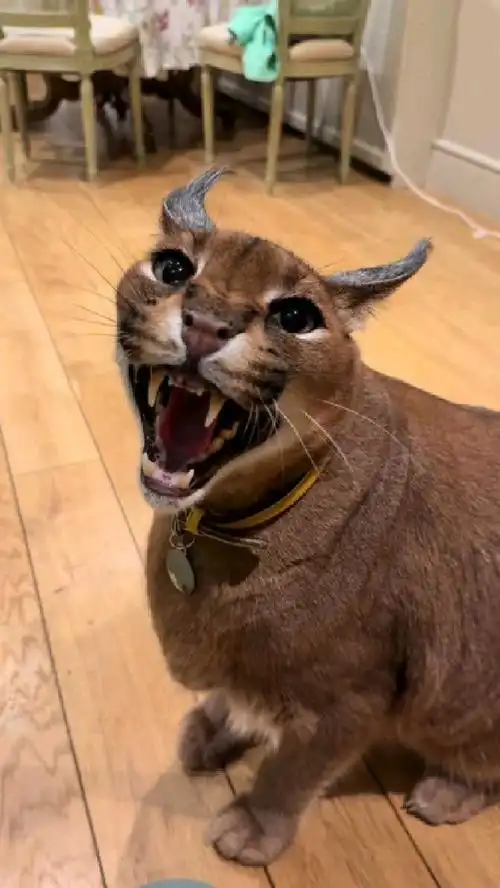
As soon as the caracal enters the house, it will not forget its wild origins. They are independent and active, which means they will only socialize on their own will and can also be rough when playing. It is common for wild instincts and exuberant energy to cause furniture to be scratched and clothing to be destroyed.
Most pet owners are not prepared for this level of responsibility or loss, making caracals unsuitable for most home environments.
If you’re seriously considering getting an African caracal, you need more than just a scratching post and litter box at home. These agile feral cats need plenty of space to play, climb, and jump – ideally, a secure outdoor enclosure should have vertical structures and concealed areas to simulate their natural habitat. Standard pet protection measures do not meet demand; Caracals are strong and curious, able to open doors or escape through tight crevices. Reinforced fences and double-door entry systems are often required to prevent accidental escapes.

Indoors, because caracals play rough and follow instincts, elaborate furniture and decorations may not be suitable for livestock. Without the right environment and space, caracals can develop behavioral problems, so it is crucial to design a living environment that respects the wildness of animals while ensuring everyone’s safety.
There is a reason why the laws for keeping exotic cats vary. There is disagreement about whether it is wise or ethical to keep animals like caracals in captivity in a domestic environment. In addition, feral cats are especially considered bad pets for families with children and other pets.
Before deciding to get an exotic pet, first take the time to understand the animal ownership laws in your area. Next, evaluate your lifestyle to determine if this type of pet that requires a lot of physical labor is a suitable choice. If you decide to buy a caracal or other exotic cat, remember that the regular rules of responsible pet ownership are more important and you need to work closely with your veterinarian.