After many shoveling officers bring a new cat into their homes, they will find that the cat is unwilling to get close to them for a long time, in fact, it is more because the shoveling officers did not use the right method to make the cat adapt.
If you want to know what a cat needs to do when it first arrives in a new home, you must first understand the habits of cats. Felines are suspicious and sensitive by nature, and will be very cautious in an unfamiliar environment, until they gradually become familiar with a small space, they will use this as a base to gradually explore the surrounding environment, and we can virtualize the cat’s adaptation to the new environment into a progress bar.
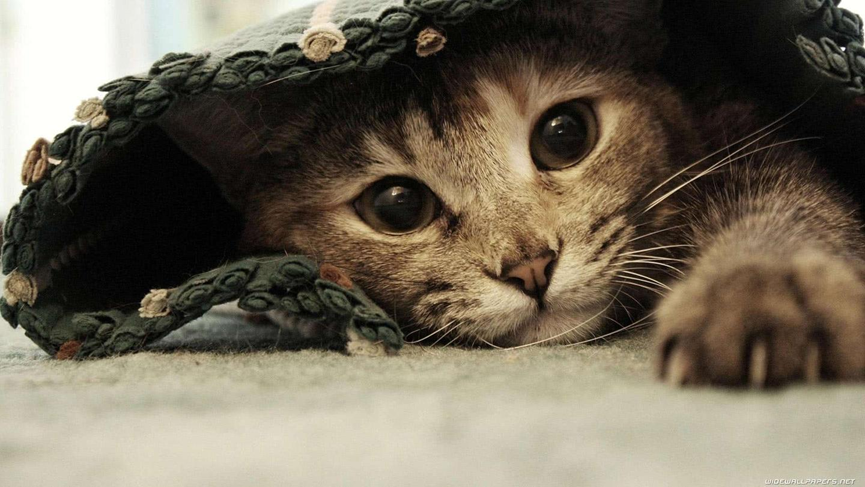
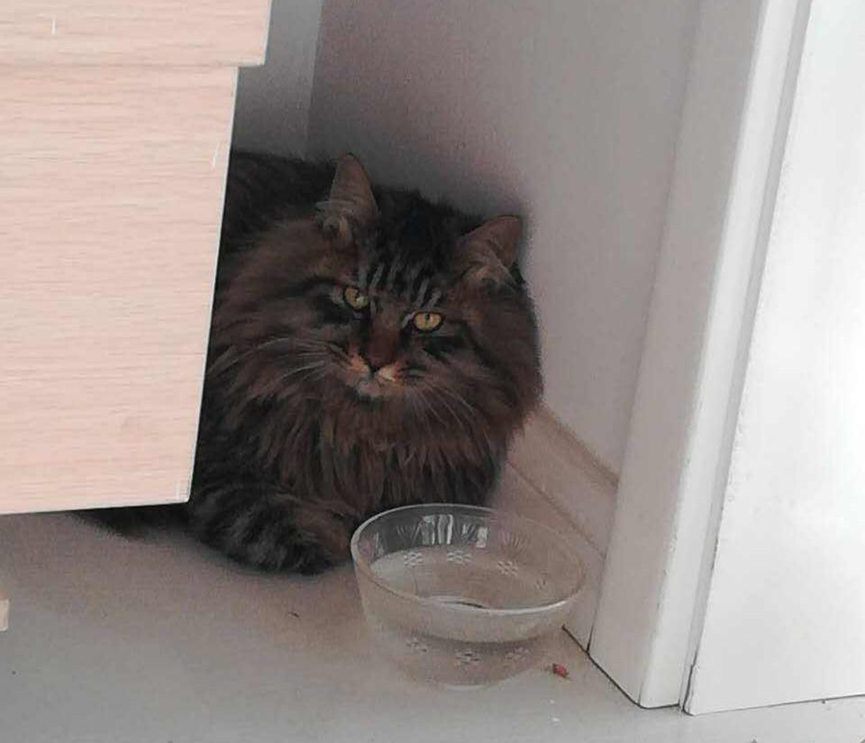
First of all, we took the new cat home, at this time the cat’s adaptation progress bar to the environment is 0%, and it will give priority to finding a corner to hide. If the shoveling officer stays with the cat all the time, or tries to catch it, then the progress bar will always be 0, and there will even be a progress regression – a stress reaction.
When the cat adapts to the corner or small room it is hiding in, the progress bar will increase to 10%, and it will carefully and slowly come out to explore other areas.
We assume that the corner where it initially hid is under the sofa in the living room, then when the entire living room is explored, the cat’s adaptation progress bar to the environment will increase to 30%~40%, which fluctuates depending on the complexity of the living room.
After the living room exploration is completed, the cat will consolidate this 40% adaptation, and then explore other rooms, such as bedrooms, balconies, bathrooms, kitchens, etc., until the entire room is explored, and the progress bar reaches 100%.
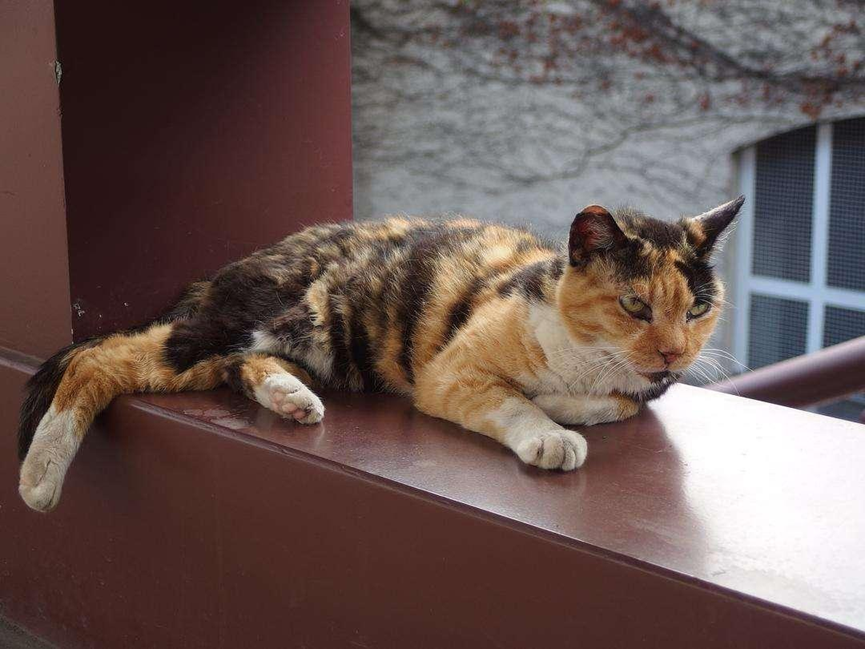
Don’t think that this progress bar will only increase, you should be able to see that the scene I simulated is the most ideal situation that everything is going smoothly with the shoveling officer. But in fact, there are shoveling officers, and many novice shoveling officers will also take the initiative to “help” the cat adapt to the new home. If the shoveling officer has too much participation, then the cat’s adaptation progress bar will change, and it is very likely that the progress will stagnate or even regress. Because in the concept of cats, everything in the new environment is unknown, and it may be full of dangers, to explore and adapt can only be carried out by oneself, any interference from the outside may aggravate the cat’s suspicion, the cat will return to the original hiding corner to stick to the 10%, and then spend more time assessing the safety and adaptation process of the environment.
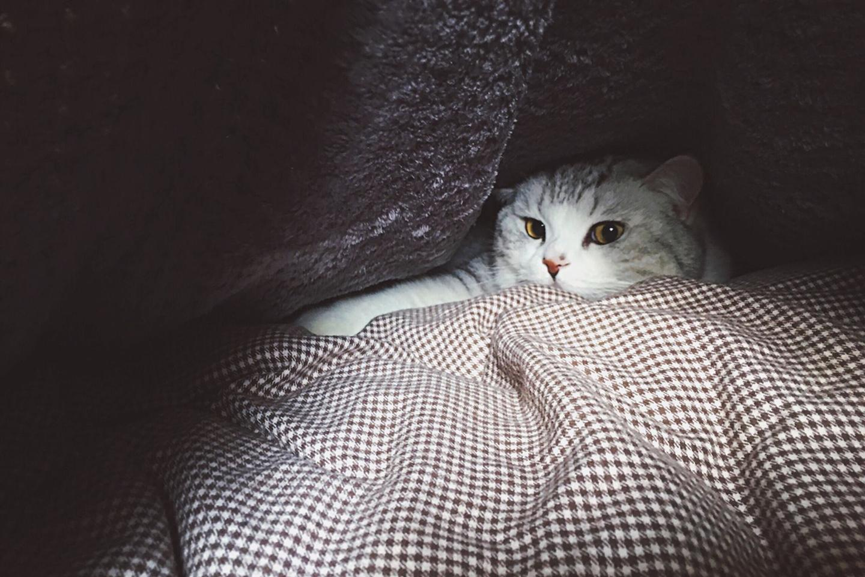
Therefore, the more care the cat has just arrived at its new home, the better, excessive care is not advisable, and the cat can only take the initiative to establish a sense of security. So the correct approach is this:
1. Cleaning
In order to increase their sense of security, they will hide in small corners that are darkly lit and inaccessible to the “enemy” according to their habits, such as under the sofa, under the bed, in the cracks of the coffee table, and in the corners of the wall. These places are usually not easy to clean, and they are often covered with dust, and the cat will inevitably get dirty after getting in. For cats with weak immunity, it is not possible to bathe them directly, it is best to clean up the room up and down before picking up the cat home, and plug the gaps with something like a towel.
2. Do not touch the cat directly
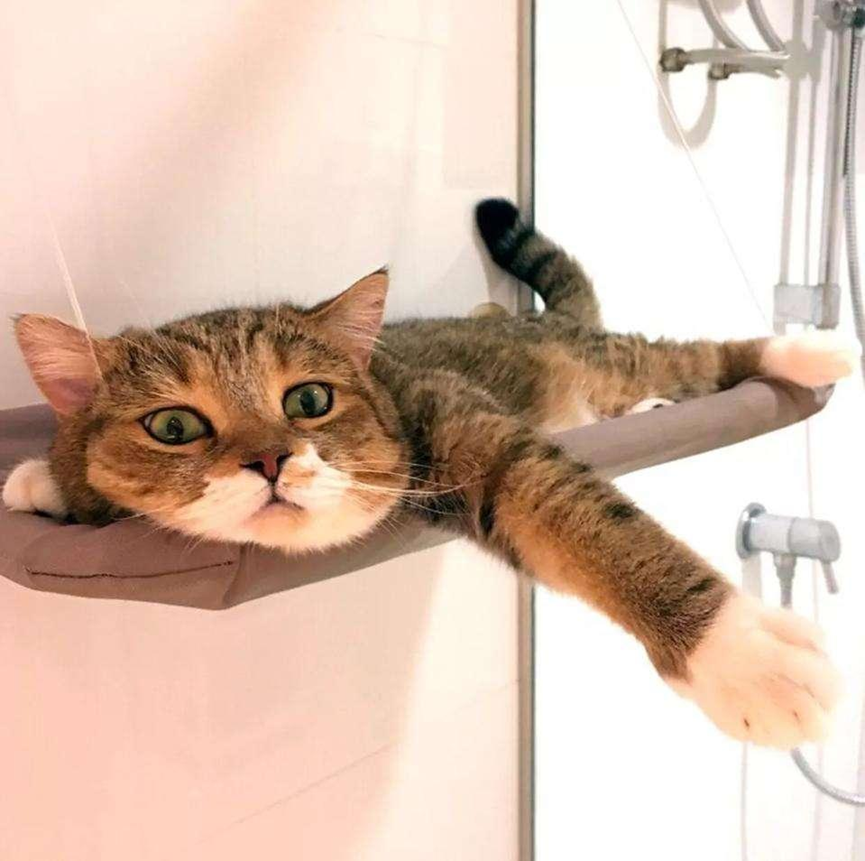
After the cat is brought home, the cat must have a sense of panic about the new home, at this time it is best not to get close to the cat, because the shoveling officer is also a strange existence for the cat, so if the shoveling officer is close to the cat at this time, it will make the cat feel more scared. It seems that the shovel officer hugs the cat and comforts the cat for the cat’s good so that the cat can adapt, but if you hug it when you are not familiar with each other, it will feel scared. Therefore, it is best for the shoveling officer to stay a little away from the cat and give it something to let it get used to slowly. But remember that in the process of slowly adapting to it, the attitude must be very good to make it feel warm.
3. Prepare the accommodation environment for the cat
After the cat is brought home, don’t just leave the cat alone, prepare a good living environment for it, such as arranging the new cat in a relatively independent and quiet house first, if not, you can also put it in the warehouse where you put debris at home, put the food bowl, water bowl, and cat litter box in (of course, keep a relatively large distance), so that the cat can adapt to it for a period of time. In this way, it will feel warm and have a sense of belonging.

4. Cats are nostalgic
New is not necessarily good. Unfamiliar things can make cats sensitive, including unfamiliar smells, unfamiliar people, unfamiliar places, and gastrointestinal problems may occur if the reaction is severe. If the cat has things that are often used in the previous environment, you can bring them with you when you bring the cat, and placing them in the area where the cat adapts to the environment can reduce the cat’s vigilance in unfamiliar environments. Thus, we can take something or a toy from where the kitten originally lived, so that there is something familiar around it. The food should be the same as the cat has eaten before to reduce gastrointestinal discomfort caused by the stress response.
5. Distract the cat
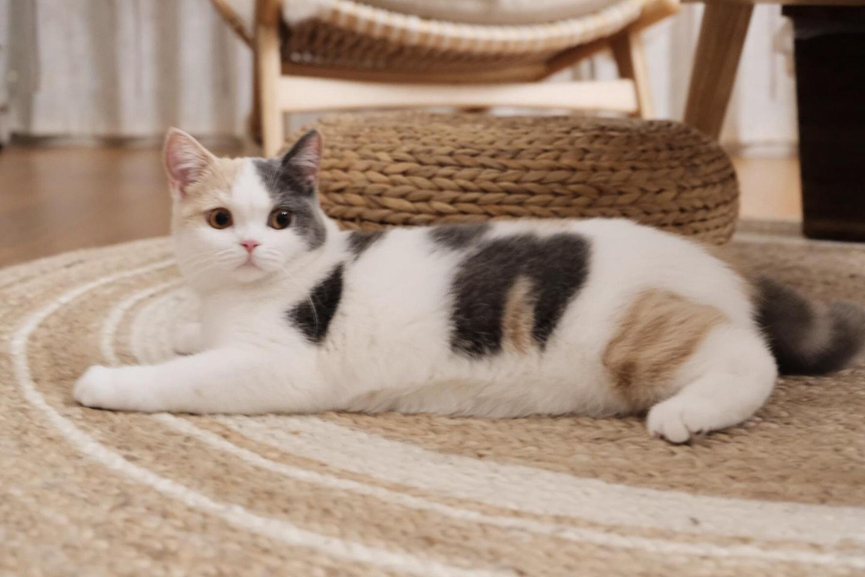
Cats are timid, but they still maintain their curious nature. If the cat has never dared to explore a new home, in fact, the shovel officer will let them be alone for a while, and then use some measures to divert the cat’s attention. For example, use delicious snacks or fun toys to attract cats, so that they can feel very relaxed, which can also help cats relieve stress and have the curiosity to visit their new home as soon as possible.
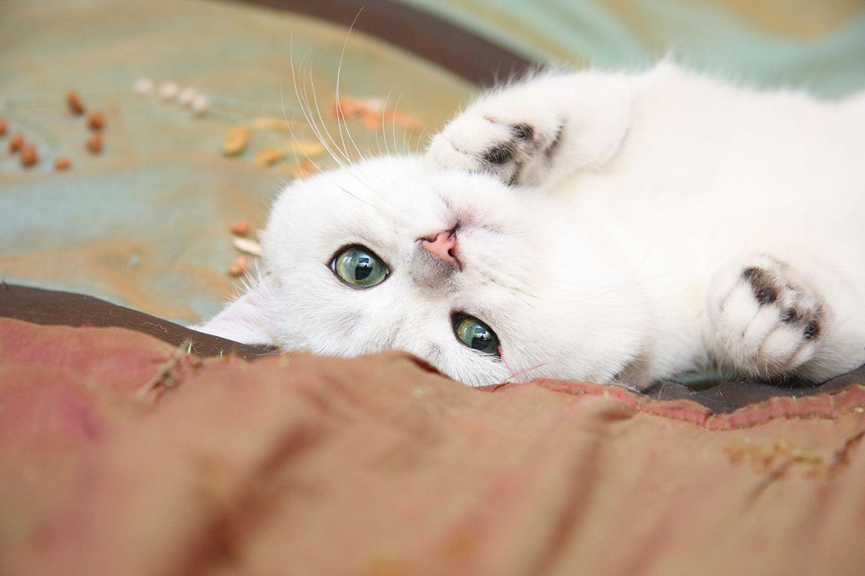
In fact, the premise of doing these things is to maintain the greatest patience, but also to understand that this is a protracted battle, we must watch the progress of the cat, some cats are more courageous, and they will soon be able to get through this time, but some cats will be very shy, and it may not be able to adapt for a long time.