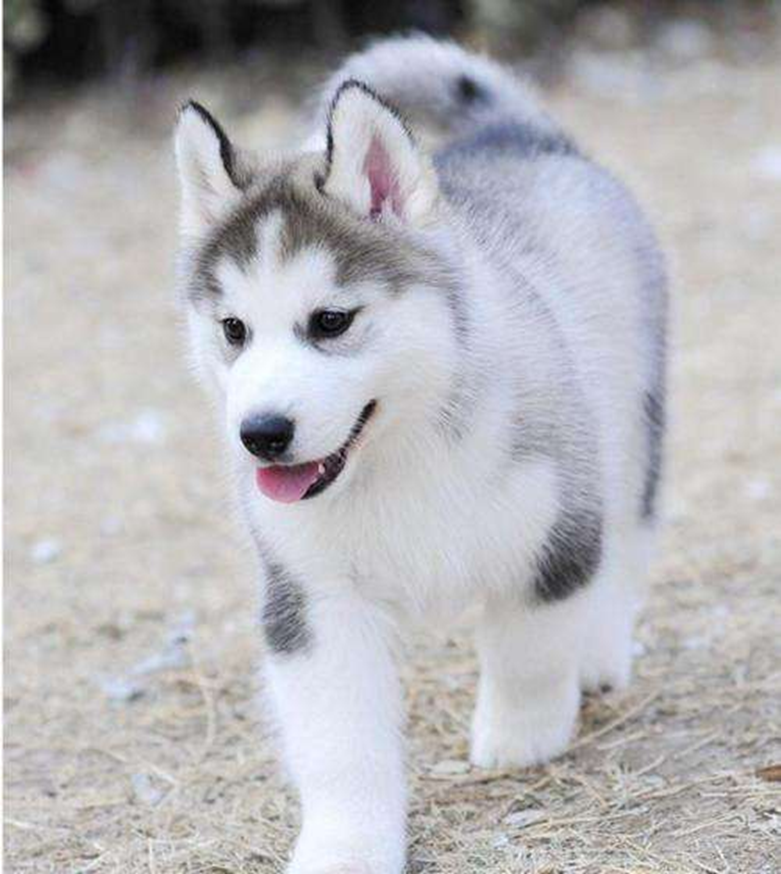
The first time I knew about a husky was when I was in high school, my third aunt brought it home to raise, when I was a child, my family lived in the countryside, and generally raised those native dogs, at most wolf dogs. When I first saw the husky, I felt that this dog was better than ordinary dogs, and its two eyes were different. It feels very different from other dogs, that was the first time I had a pet dog, and it can also be naughty. I really like it, but after raising it for more than a year, it was given away by my third aunt, and I was sad for a long time.
Huskies are now a kind of pet dog that everyone likes. In normal times, huskies are very naughty, especially like to play with their owners.
The scientific name of the husky is the Siberian Husky, also known as the Husky (the name of the husky is derived from its distinctive hoarse sound. ), nicknamed Erha, canine animal, medium-sized dog, primitive ancient dog breed.
Huskies mainly live in northeastern Siberia and southern Greenland, with changeable personalities, some extremely timid, some extremely violent, and huskies who enter human society and families no longer have this extreme character, are more docile, and are a popular pet dog around the world.
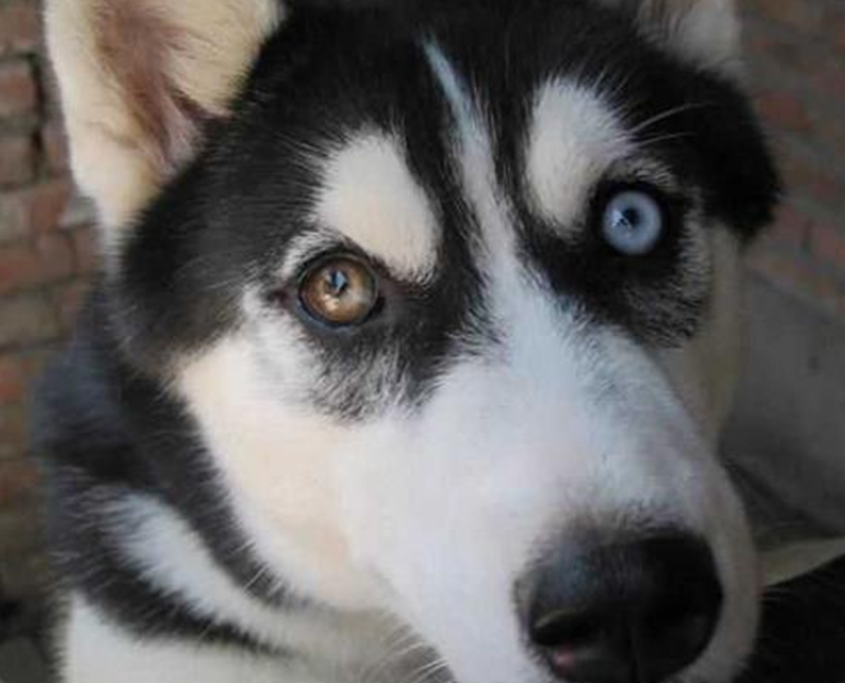
Husky eyes are very special: I still like husky eyes, usually blue and brown (brown). Usually what we call “Erha” is mostly light blue-eyed huskies, blue (blue fades to white as they get older), blue-eyed huskies always look like they have a contemptuous and murderous look, but they are actually very timid and docile. Most of the brown-eyed huskies who appear on the field give people a gentle and cute feeling, but when they are serious, their eyes also reveal a terrible wolf intent. Also, a dog may have one eye brown or light brown and the other blue, and the demon and angel face coexist, a phenomenon called “bi-eyed”; Or that one eye is blue and the iris of the other is variegated, i.e. heterochromia, called “parti-eyed” by lovers of breeding Siberian sleds.
It is worth mentioning that “blue eyes, three fires“, blue eyes refer to the eyes are blue; The three fires refer to the three white marks on the forehead that look like three burning flames. “Blue eyes, three fires” was once mistaken for the standard of huskies, in fact, this is not the standard for judging the quality of huskies, on the contrary, the blue-eyed three fires are the common existence of huskies, and there are very few “blue eyes, three fires” in the bloodline competition level huskies, mostly two brown eyes. Because Siberian sled dogs have a very similar appearance to wolves, most of the wolves we see in movies are played by huskies, so the more similar huskies and wolves are, the better.
Husky personality: lively and active, mischievous, outgoing, and wandering.
Husky temperament: quiet, docile, less barking, occasionally howling, high alertness.
Husky’s sociability: friendly and loyal to people (for humans), whether good or bad, it is quite easy to mingle with humans. Not suitable for guard dogs, but can be a good companion for chatting and telling your inner world.
Life expectancy of huskies: about 11-13 years.
Husky breeding environment: strong adaptability to the environment. The breeding location is not limited. Due to the amazing activity of husky dogs, it is best for owners to have a large open space for activities, and need to be accompanied by a person to exercise regularly every day.
Husky’s IQ intelligence: high (45th in the world dog breed IQ ranking).
Husky’s learning ability: high learning ability and extremely high ability to solve difficult problems.
Husky obedience: low obedience and quite assertive.
How Huskies Feed Puppies: Three to four times a day. Adult dogs: two meals a day.
Husky exercise methods Puppies: Go out for a leash walk for about 30 minutes every day, and there is no limit to free time. Adult dogs: Go out for a leash walk for about 30 to 60 minutes a day, and there is no limit to free time.
Husky health problems Puppies: Three vaccinations must be given in stages after birth. Take one heartworm prevention pill every month. Adult dogs: After one year of age, one dose of booster vaccination, one dose of rabies injection, and one heartworm preventive drug every month. Deworming: Every two months.
Husky care skills Exercise time: Do not take it out for a walk outdoors in broad daylight, but use it more in the early morning, dusk, and night. Climate Concerns: Avoid excessive sun exposure that can damage your husky’s coat. In addition, in high temperatures and rainy conditions, huskies are prone to skin and parasite problems, so they need to pay more attention. Kennel location: Try to keep it indoors, if you need to keep it outside, you should choose a well-ventilated place as a nest, and place a lot of drinking water to help the dog dissipate heat.