Pet feeding
In recent years, more and more people have begun to feed pet cats and pet dogs, when deciding to raise a pet, we must clearly understand the growth characteristics and feeding laws of pets, and take pet life seriously!
Normally, the growth law of pets is: 0~12 months is the growth period; 1~7 years old is the maintenance period; Over 7 years old is the advanced age. The nutritional balance of pets changes depending on the stage of growth, so it is important to choose food according to each stage.
Today, I will give you a detailed science popularization, if you have plans to feed your pet, you can first understand the relevant knowledge.

01 Food for lactation (0~30 days)
Puppies and kittens about 3 weeks old can get the necessary nutrients from their mother’s milk, but when their mother’s milk is not sufficient, or they cannot drink breast milk for some reason, they should be given milk replacers to meet their nutritional needs. within 2 weeks of birth, 6~8 times a day; After that, it is given in 4~5 doses, but in order to obtain immunity from the mother, it should be allowed to drink colostrum as much as possible.
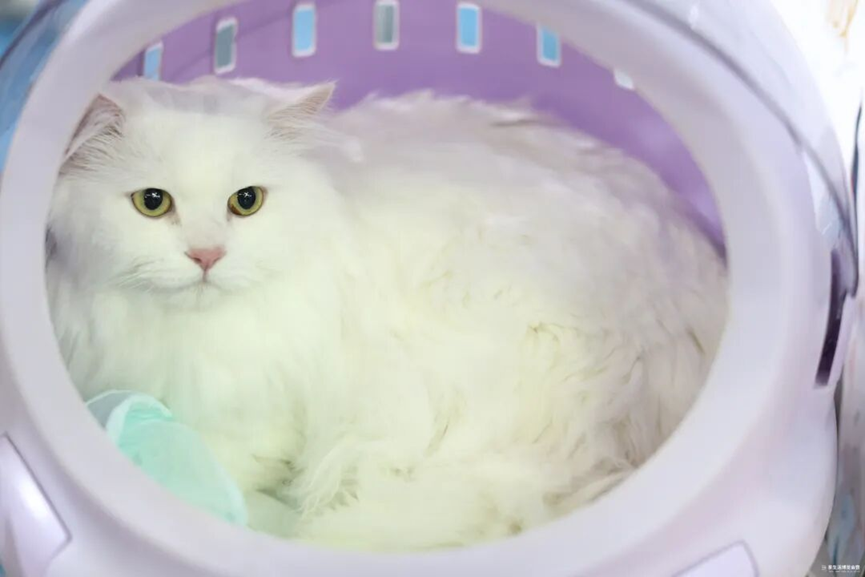
02Food during weaning (20~60 days after birth)
About 3 weeks after birth, due to the appearance of milk teeth, weaning foods are started as an adjunct, and breast milk replacers are given. Observe the feces to confirm the digestion of the animal, gradually replace it with special food for puppies and kittens, and wean completely 6~8 weeks after birth. However, weaned food is highly digestible and should be given high-protein and high-calorie foods at the same time.

03
Foods for the growth period (50 days to 1 year after birth)
During the growth period, puppies and kittens grow to the size of adult dogs and cats. They grow about 10 times faster than humans, so they require more energy during the growth period. However, compared with the pre- and mid-growth stages, the late growth rate slows down, so care should be taken to avoid excess calories.
(1) “Dog” food in the growth period
Dog growth varies depending on size and breed, with small dogs taking about 10 months; medium-sized dogs about 1 year; The growth time of large dogs is about 1 1 and a half to 2 years. Dogs in the growth period need about 2 times more energy per 1kg of body weight than adult dogs. The need for almost all nutrients such as protein, fat, calcium increases during adulthood. However, puppies with not fully developed digestion cannot eat a large amount of food at once, so high-calorie foods can be given in small quantities and multiple times.
(2) “cat” food in the growth period
Cats can reach about 75% of their body weight in the first 6 months of life. Kittens 2 months after birth need about 3 times the calories of adult cats; The first 6 months of life require about 1.3 times the calories of an adult cat. Growing kittens need high protein more than adult cats, especially taurine, which plays an essential role in the growth of kittens. It also requires a balanced intake of calcium and phosphorus, which are related to bone formation. However, like dogs, cats cannot eat a large amount of food at once, so in addition to giving high-calorie foods in small quantities and many times, a variety of foods should be given during the growth period of cats to prevent partial eating.

04Maintenance period (adult dog, cat)
Dogs and cats are in this stage for most of their lives, and their daily eating habits are closely related to health. Therefore, it is important to properly consume high-quality foods with balanced nutrition.
(1) “Dog” food during the maintenance period
The maintenance period of dogs refers to small dogs at 1~8 years old and large dogs at 2~6 years old. The daily energy requirements of adult dogs vary depending on their size, feeding status, and exercise. Small dogs require more energy per kilogram of body weight than large dogs. In addition, neutered dogs tend to gain weight due to reduced exercise, so it is necessary to adjust the amount of food.
(2) “cat” food during the maintenance period
The maintenance period of cats refers to the stage of 1~7 years old. A cat weighing 4 kg needs about 270 kcal a day; A cat that is constantly active needs slightly higher energy, about 300 kcal. Cats after sterilization, or cats that are kept indoors for infrequent exercise, require lower energy, about 230 kcal.
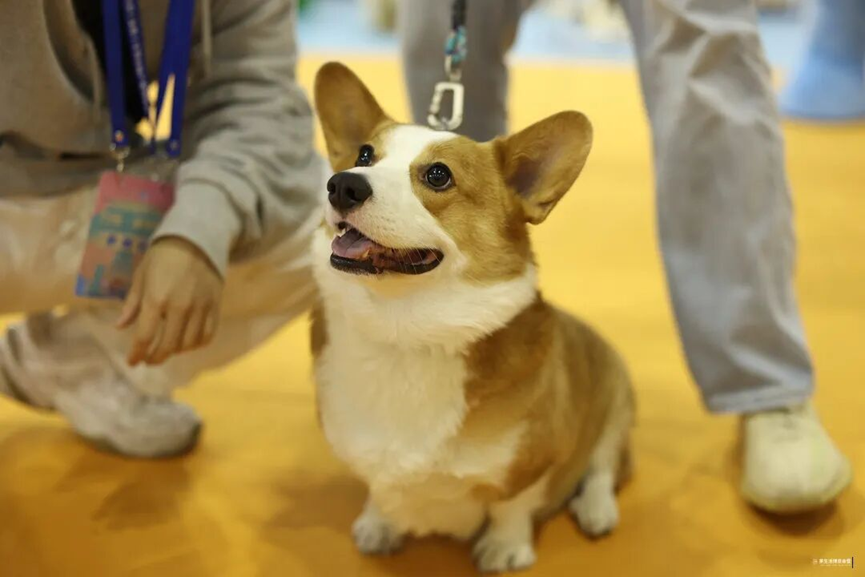
05 Food for the elderly
Small dogs are 8 years old, medium dogs are 7 years old, large dogs are 6 years old, and cats are about 7 years old and begin to gradually age. As a result, body fat increases, muscle decreases, and basal metabolic capacity begins to decrease, and the daily energy requirement is also reduced by about 20% compared with the maintenance period. However, the appetite of dogs and cats will not decrease, and if the same amount of food is given as during the maintenance period, the probability of obesity or burden on internal organs will increase due to excessive energy, and it is necessary to limit the calorie intake. Pet food in advanced age contains less fat, carbohydrates increase, and calories are controlled.

Give him a home
If you decide to raise pet cats and dogs, please remember to treat them with care, never abandon them, and need to be fed scientifically, so that the “furry children” can grow up healthily!